Cuisine Guide
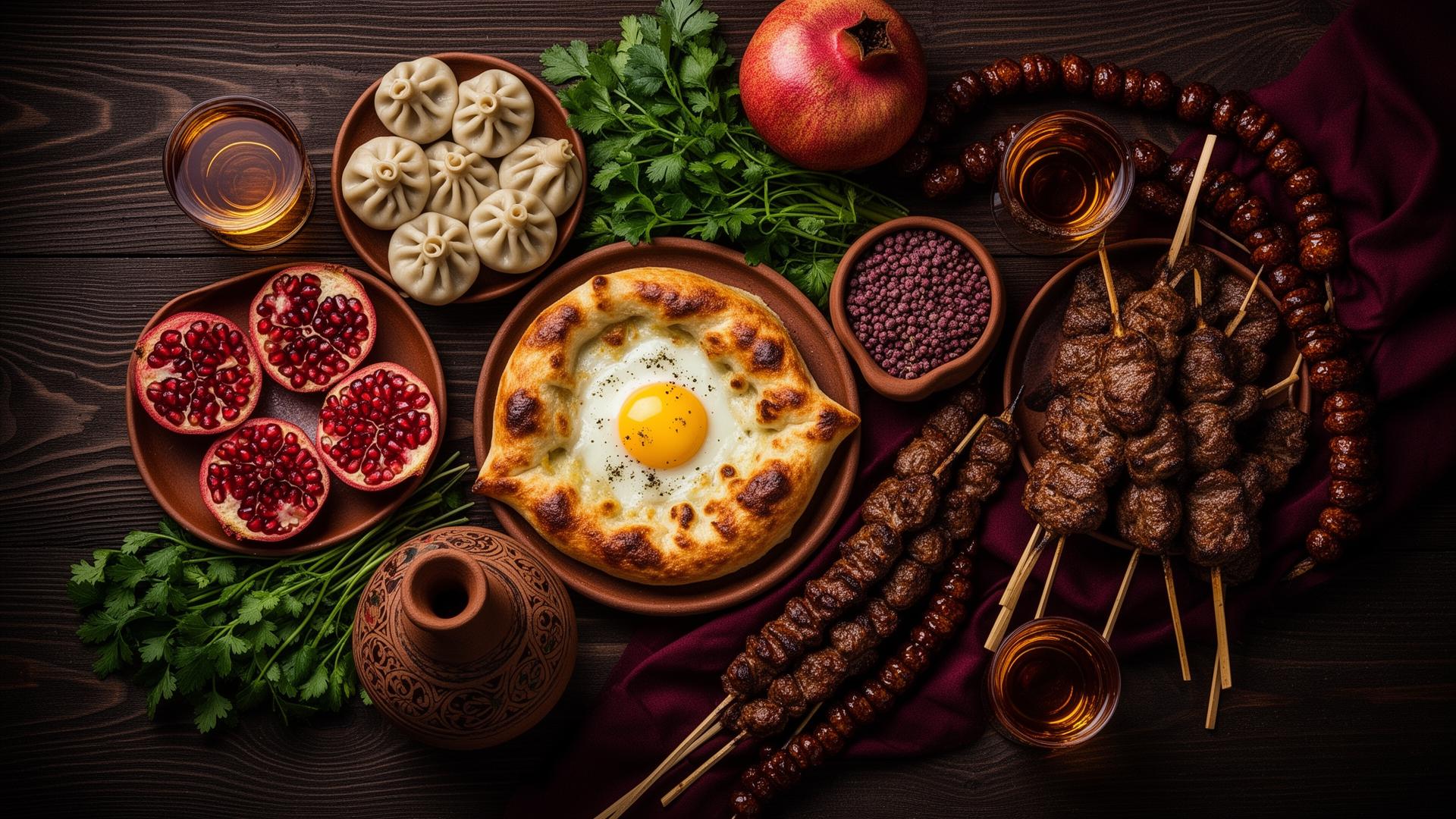
About Georgian cuisine
A 3,000-year tradition of bread, wine, walnut, herbs, and feasts that go on for hours. Here's where to start.
Four things to know
Bread is everything
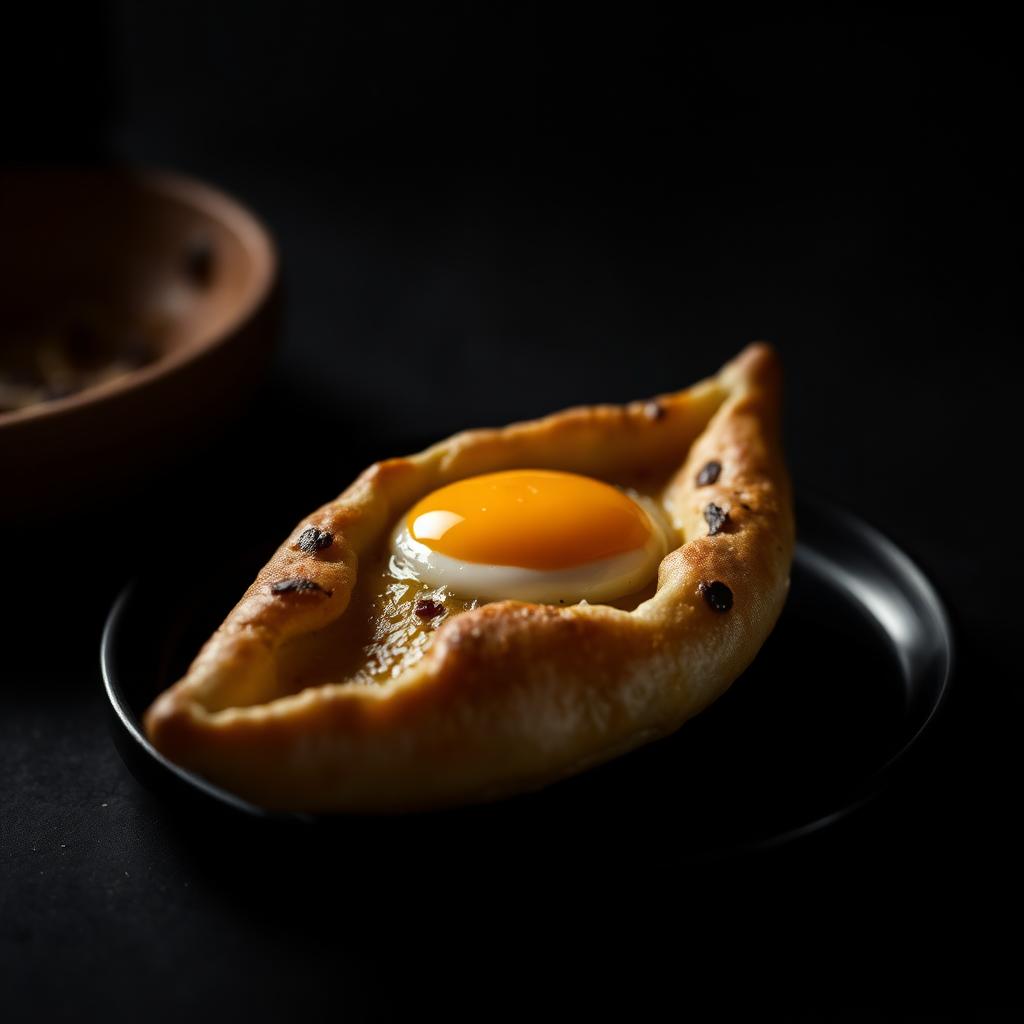
From canoe-shaped adjaruli khachapuri to the clay-oven shotis puri pulled hot off the wall, bread anchors every Georgian meal.
The grill matters
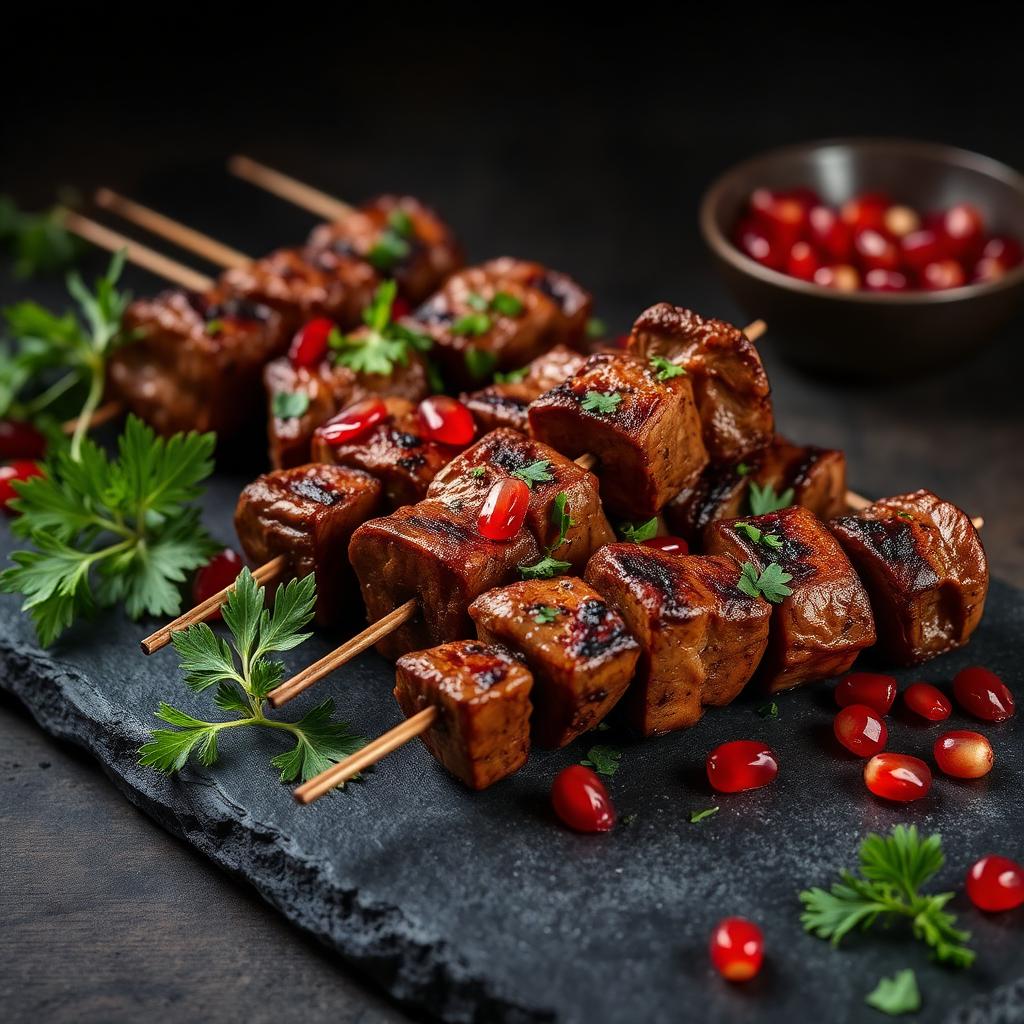
Mtsvadi — pork or lamb threaded onto a skewer and cooked over vine cuttings — is the centerpiece of Georgian barbecue.
8,000 years of wine
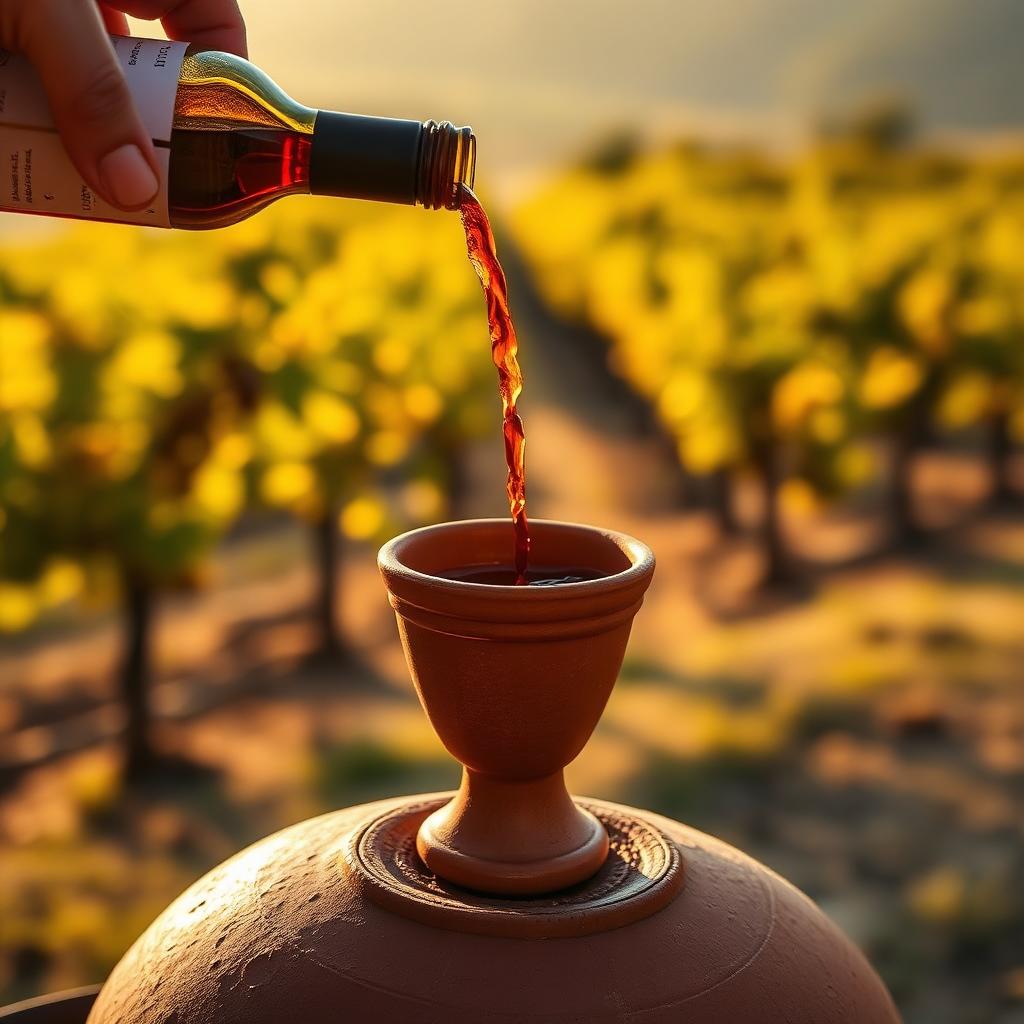
Georgia is widely considered the birthplace of winemaking. Amber wines fermented in clay qvevri amphorae are still made the same way today.
The supra tradition
A Georgian feast led by a tamada (toastmaster), where every course is paired with a toast — to ancestors, peace, women, friendship.
What to order
A starter map of the cuisine, by category.
Bread & cheese
- Adjaruli Khachapuri — boat bread with cheese, butter, egg yolk
- Imeruli Khachapuri — round, stuffed with sulguni
- Lobiani — bread filled with seasoned beans
- Sulguni — the brined, pulled cheese of western Georgia
Dumplings & soups
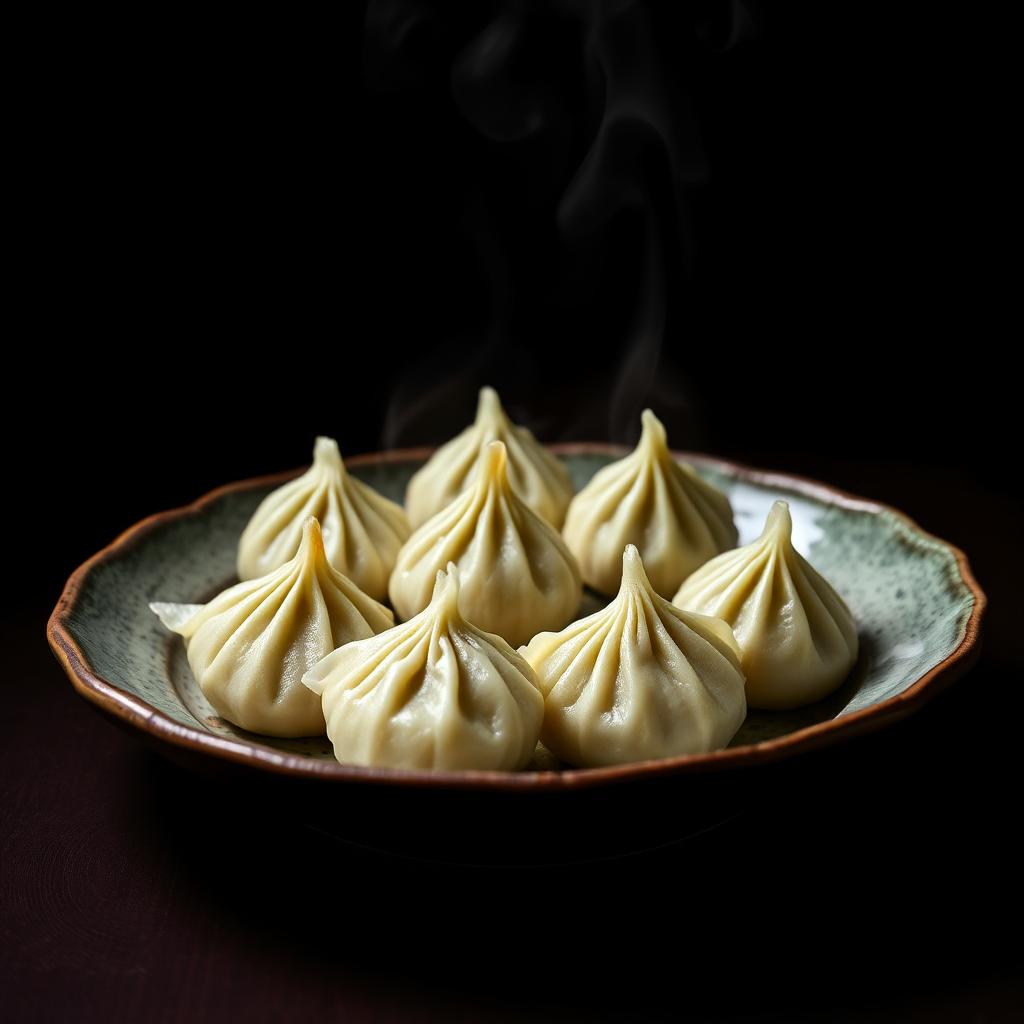
- Khinkali — hand-twisted soup dumplings (eat with hands, never a fork)
- Kharcho — beef-walnut soup with rice
- Chikhirtma — chicken soup thickened with eggs
Vegetables & cold plates
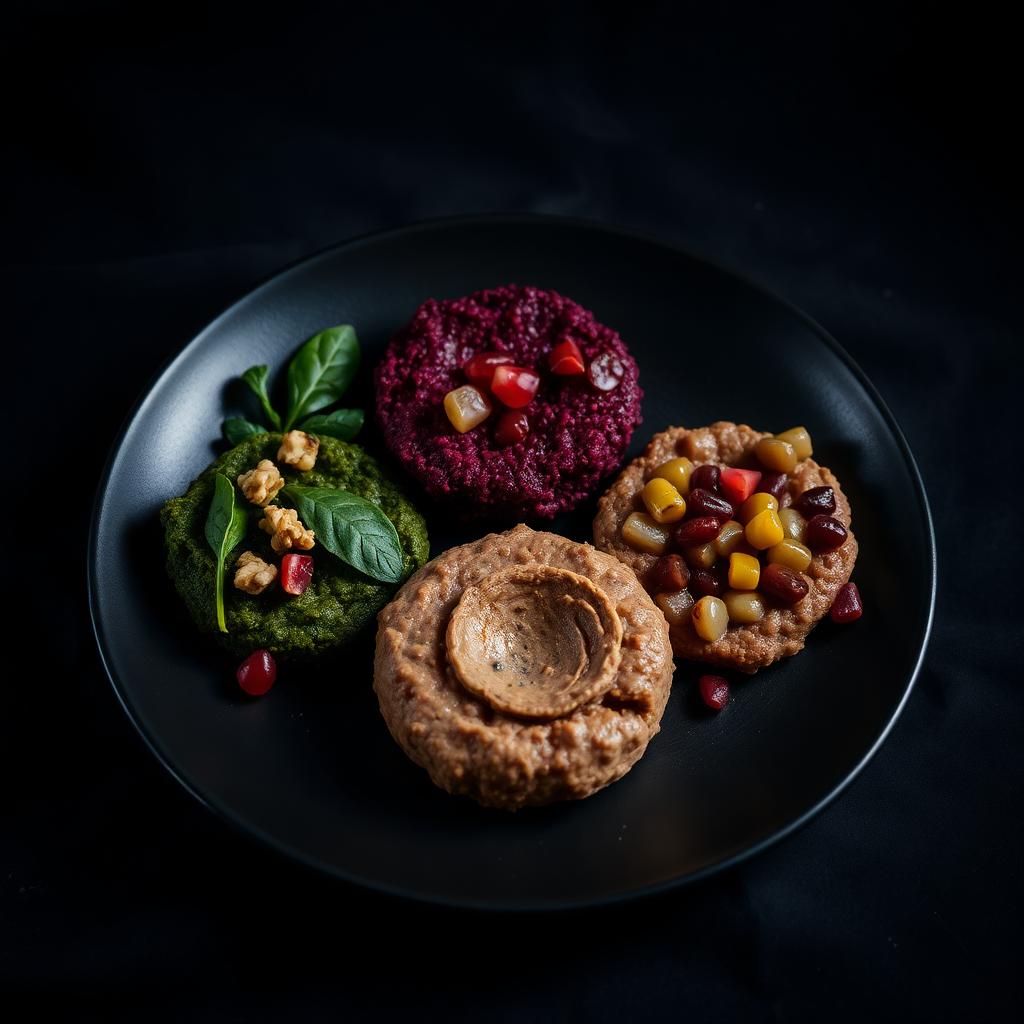
- Pkhali — vegetable pâtés with walnut and pomegranate
- Badrijani Nigvzit — eggplant rolls with walnut paste
- Lobio — stewed beans, often in clay pot with mchadi
From the grill
- Mtsvadi — charcoal-grilled pork or lamb
- Chakapuli — lamb stewed with tarragon and plum
- Ostri — beef in spicy adjika and tomato
The Supra
More than a meal — a structured feast
A supra is a Georgian feast governed by a tamada — the toastmaster. Toasts move in a deliberate sequence: to peace, to ancestors, to children, to women, to friendship, to those who couldn't be present. Each toast is held with a full glass of wine, and the meal can run six hours or more. The supra is the cultural engine behind Georgian hospitality.
UNESCO recognizes Georgian polyphonic singing and the qvevri winemaking tradition as Intangible Cultural Heritage — both originate in the supra.